New Objectivity
New Objectivity
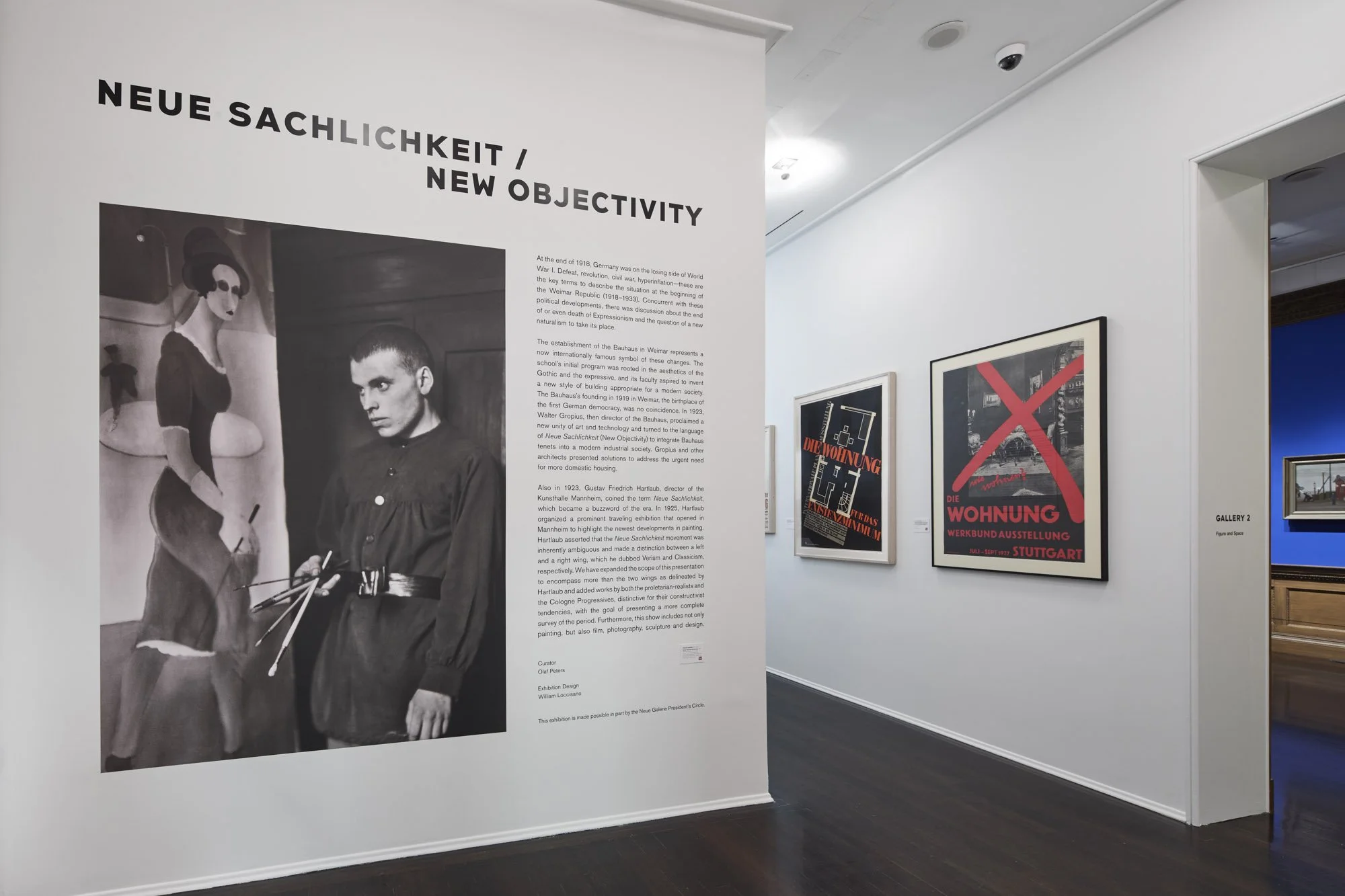
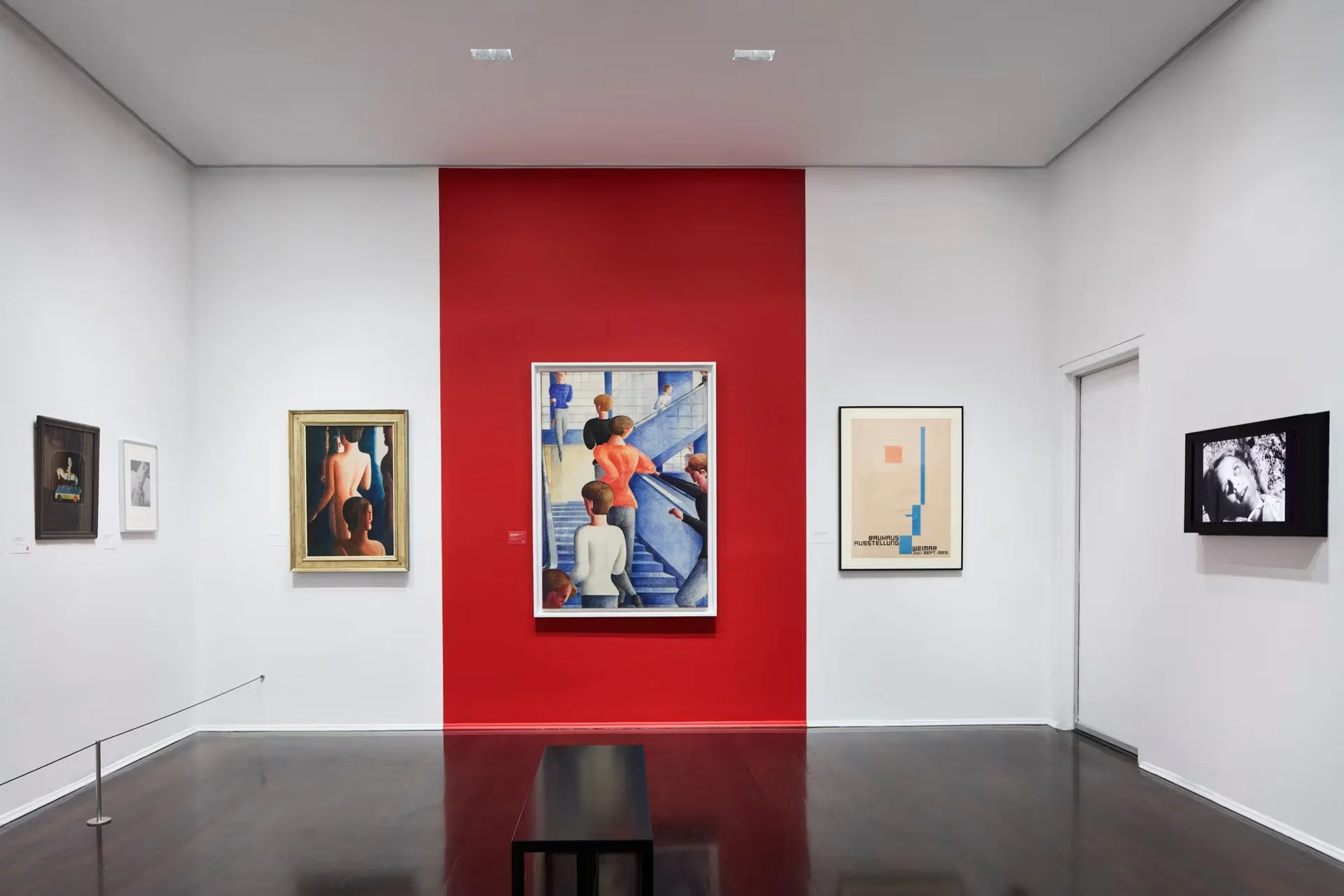
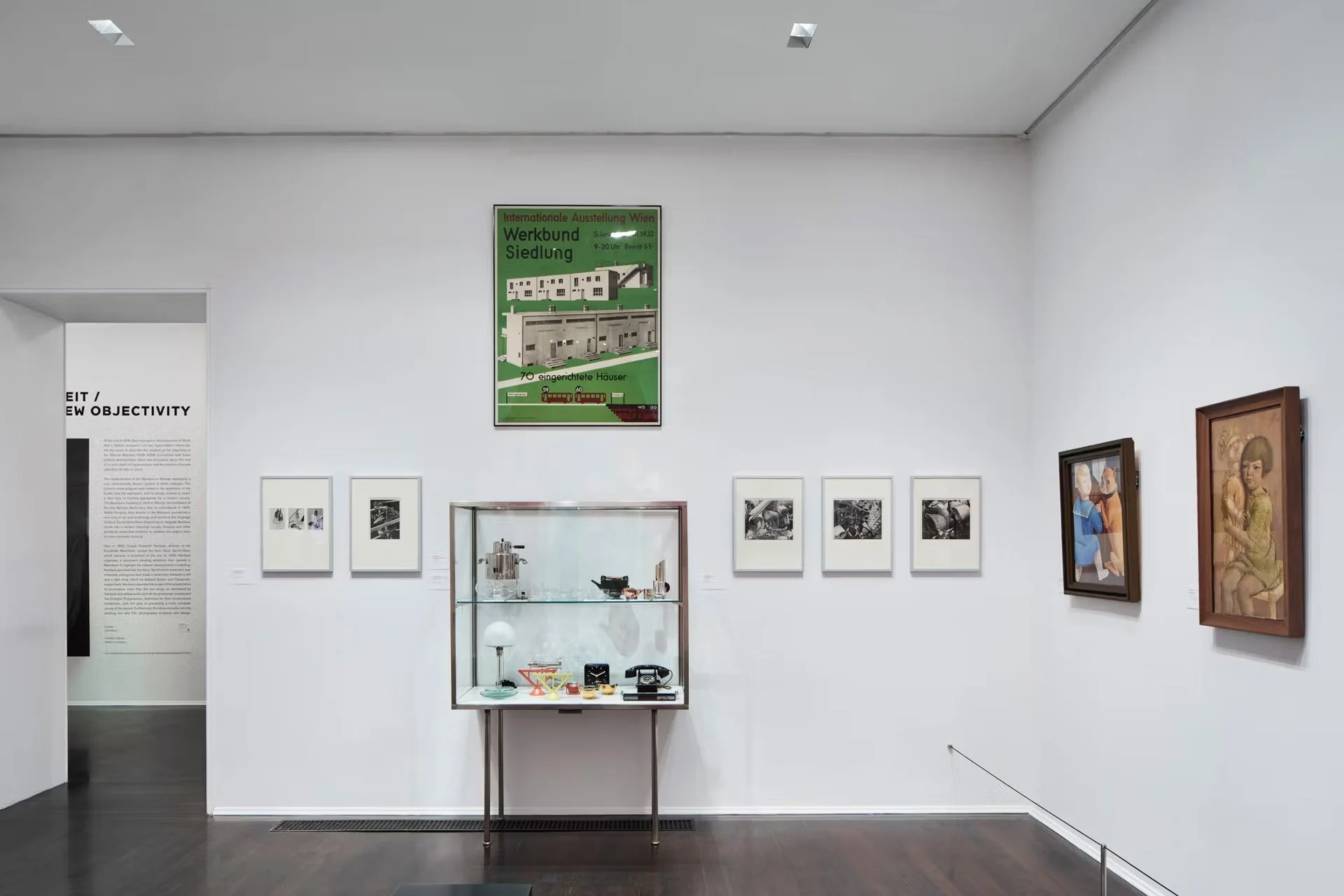
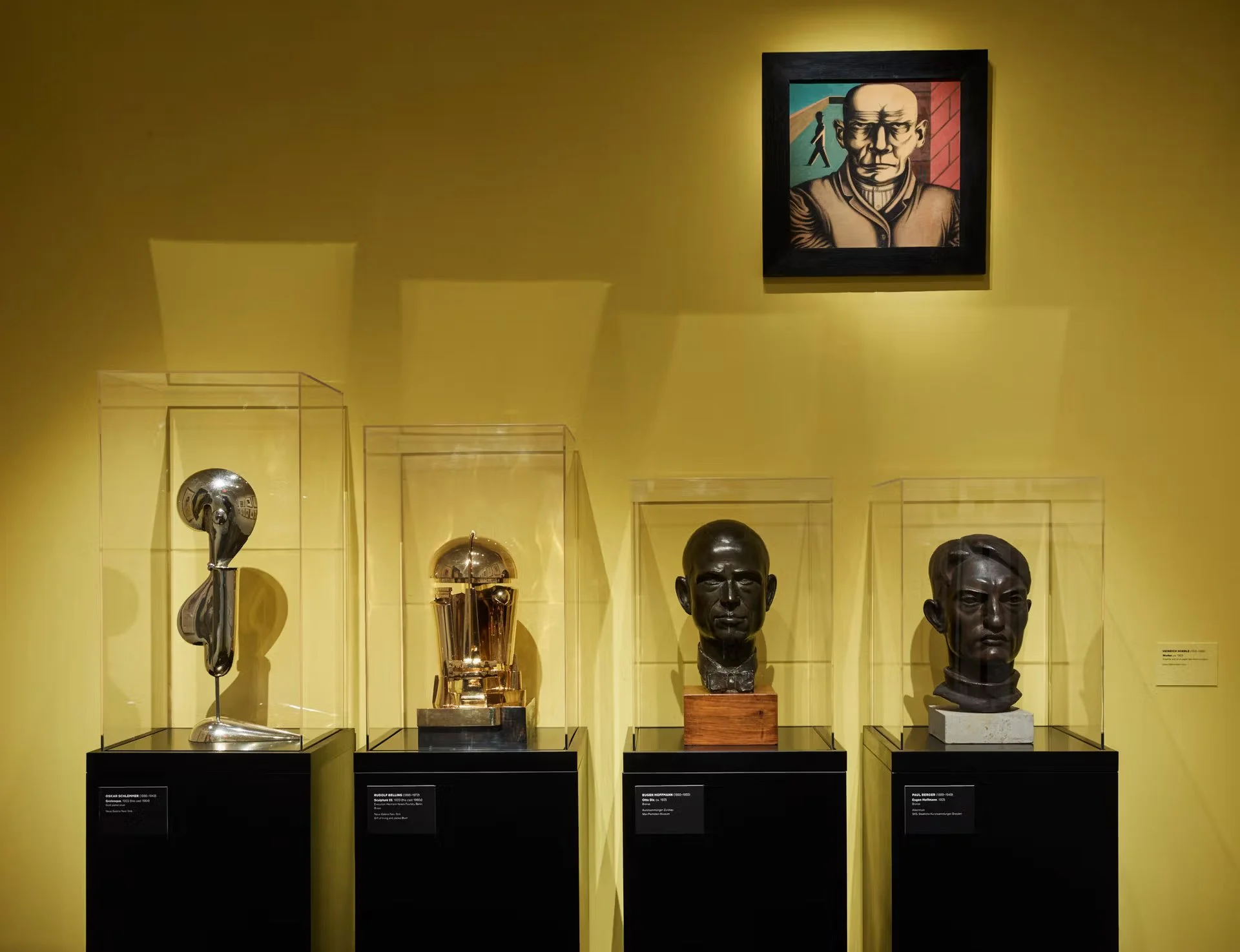
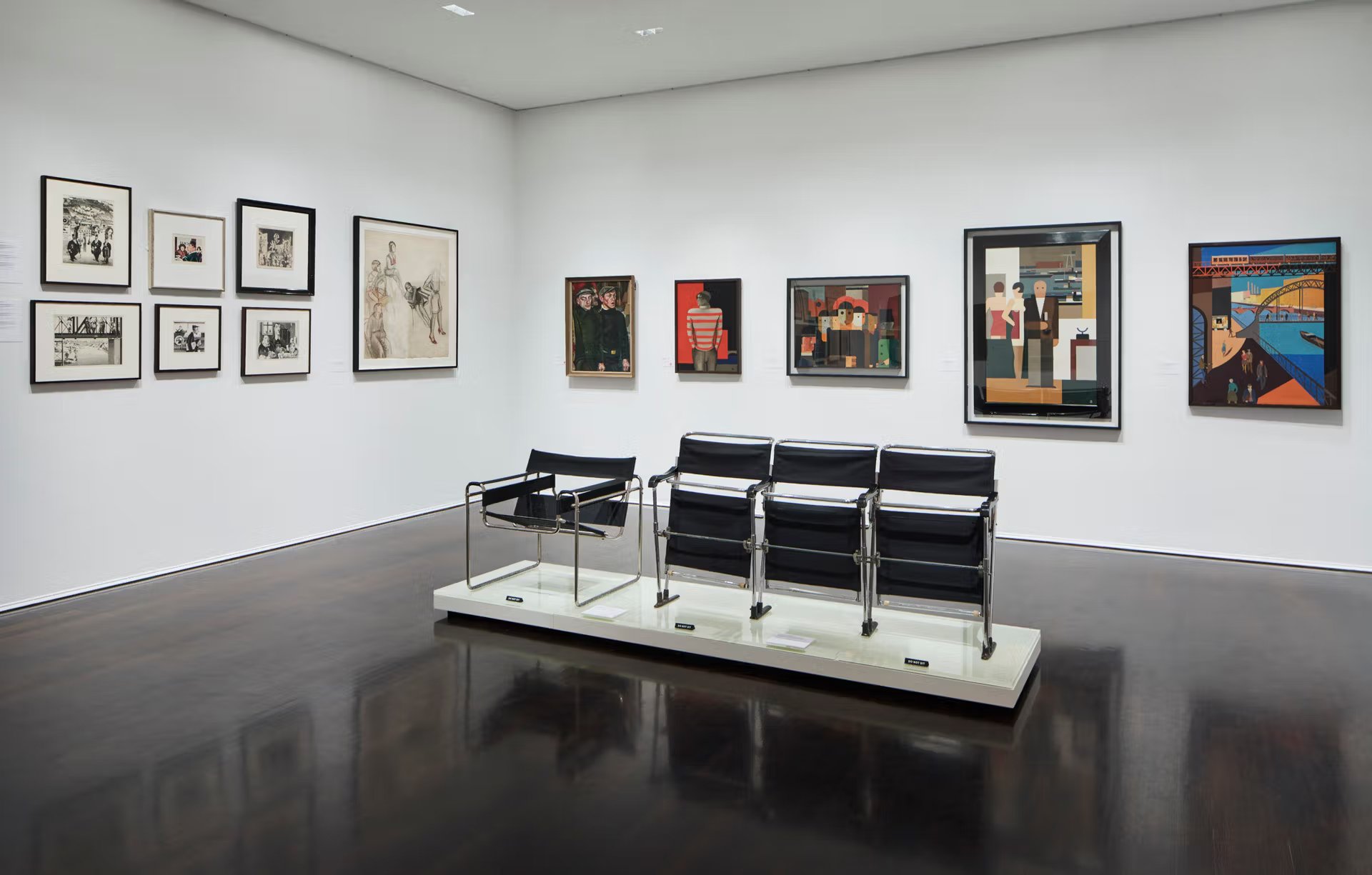
Marking the centenary of Gustav F. Hartlaub’s landmark 1925 exhibition at the Kunsthalle Mannheim, this presentation at Neue Galerie New York revisited one of the most incisive artistic movements of the twentieth century. Emerging in the aftermath of World War I, the New Objectivity rejected Expressionism’s emotional intensity in favor of critical realism and unsparing social observation. As the Wall Street Journal reflected in considering the Weimar Republic—those fraught years between Germany’s defeat in World War I and the rise of the Nazi regime—the period remains a charged and complex chapter in modern history, one that artists rendered with striking clarity and precision.
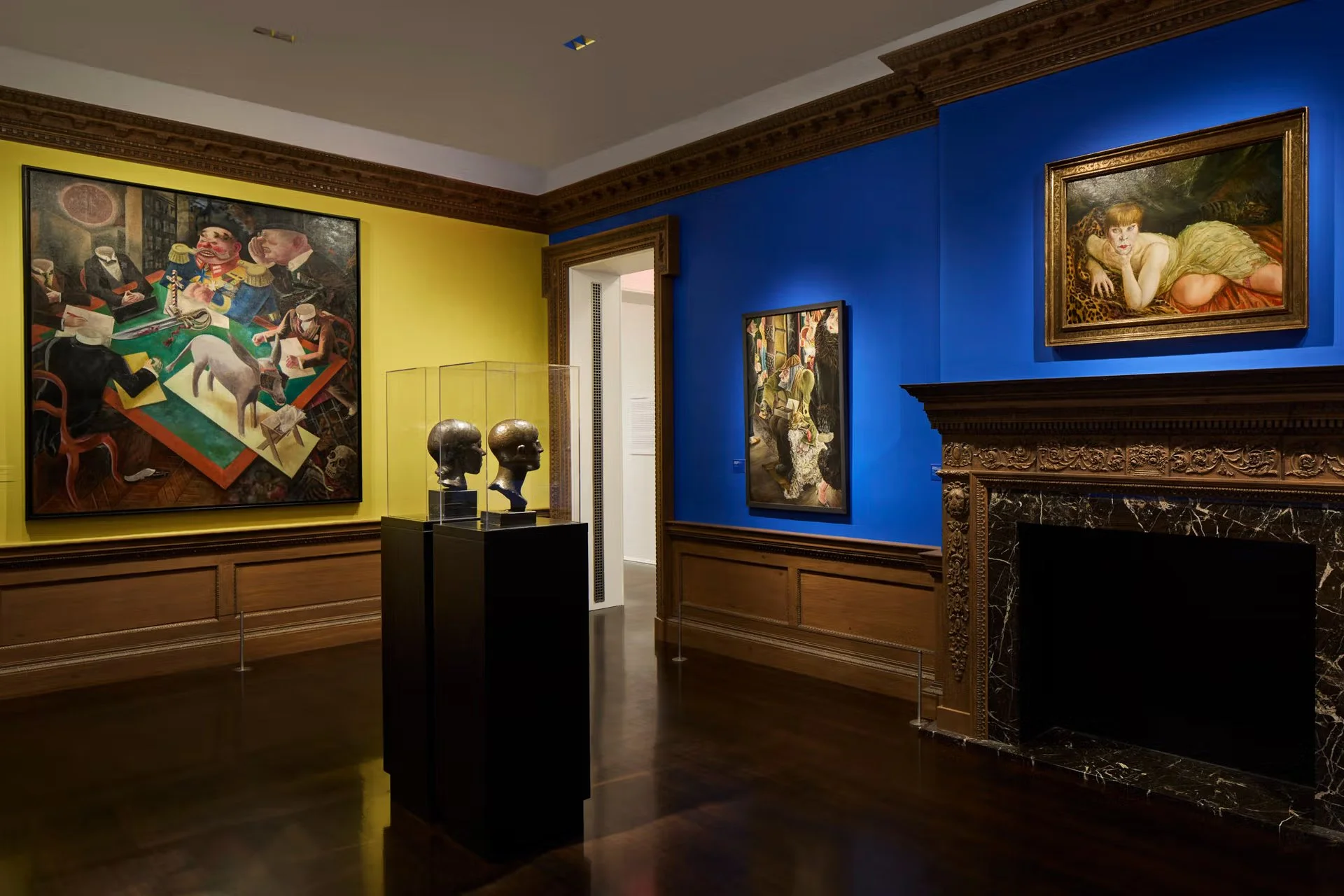
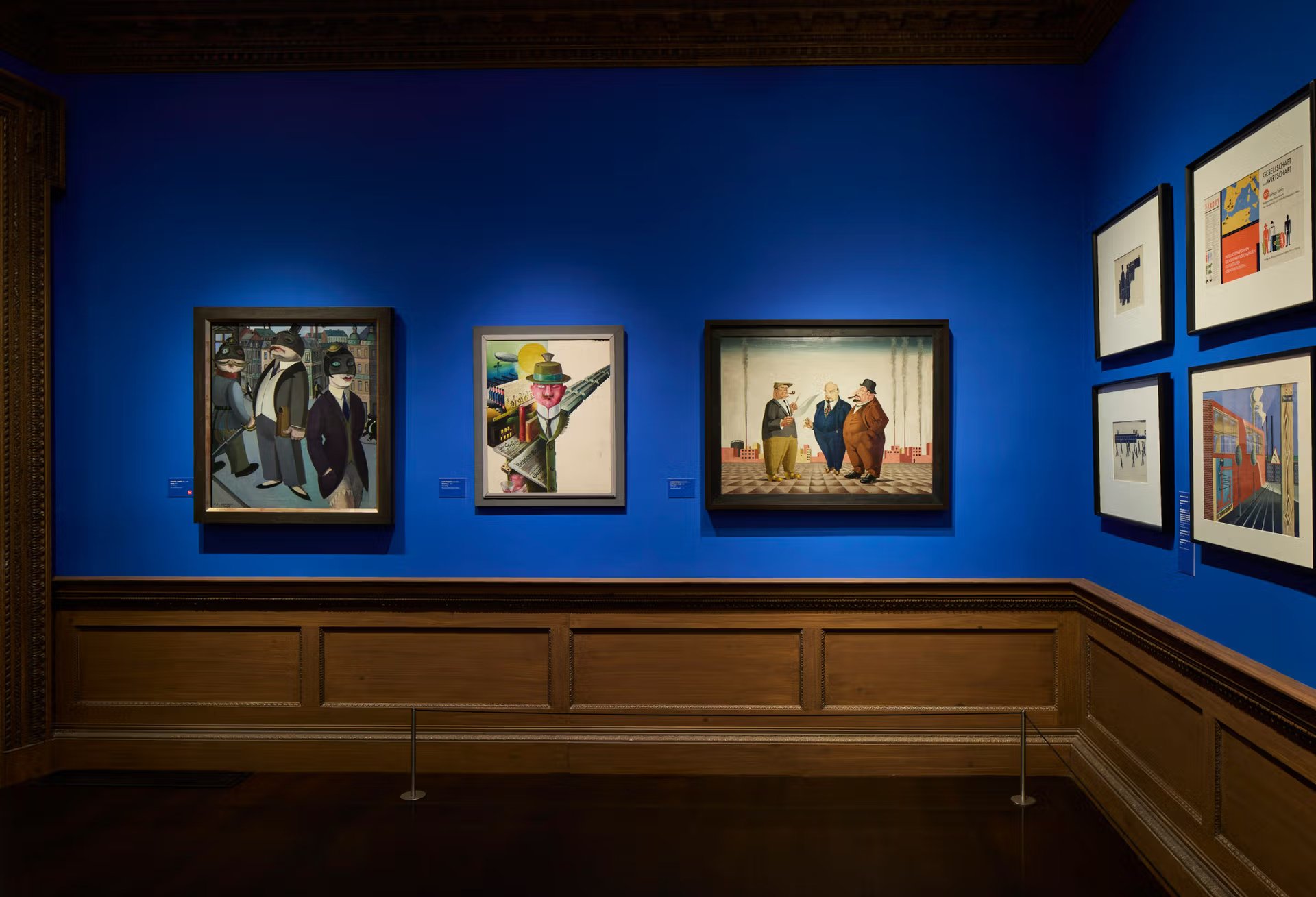
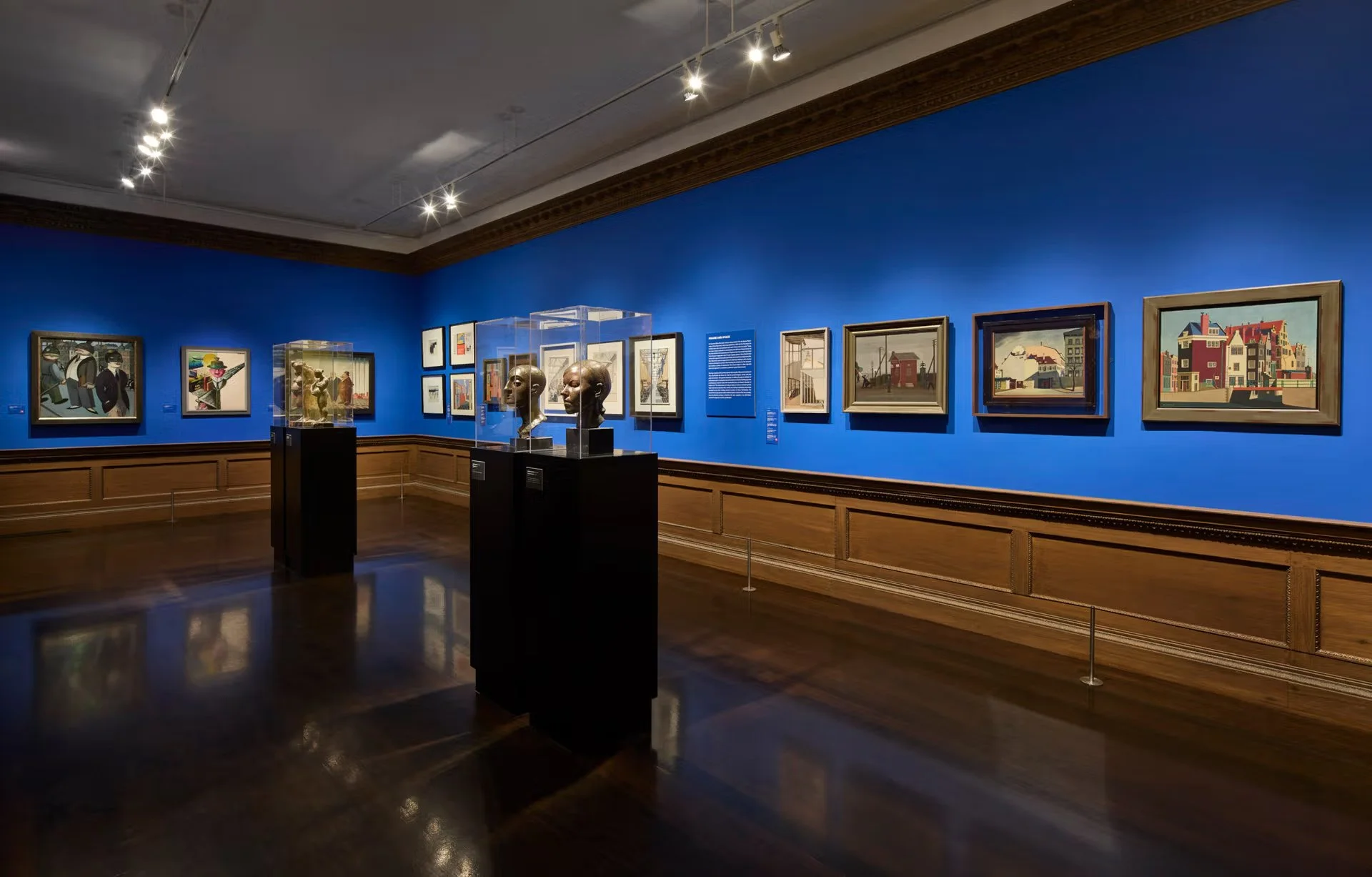
Curated by Dr. Olaf Peters, the exhibition examined the dynamic tension between two defining factions: the socially critical Verists—such as Otto Dix, George Grosz, and Georg Scholz—and the Classicists, including Christian Schad and Alexander Kanoldt, who pursued harmony and formal restraint. Through a multidisciplinary installation of painting, sculpture, photography, decorative arts, works on paper, and film, the presentation brought together figures including Max Beckmann, Marianne Brandt, Marcel Breuer, August Sander, and Oskar Schlemmer, positioning New Objectivity as a coherent and vital chapter in modern art history—one that mirrored the cultural, political, and social complexities of the Weimar Republic.
As designer of both the exhibition and its accompanying catalogue, I developed a visual language that echoed the movement’s disciplined clarity while quietly underscoring the tension between objectivity and underlying volatility. The installation and publication were conceived as extensions of the curatorial vision—balancing restraint with intensity, structure with unease—so that the design itself reflected the era’s precision, fragility, and psychological charge.